We believe arts can transform our perspectives on the climate crisis, and help grow the resilience of people and ecosystems as we face more climate instability. Hence we are excited to share this eclectic library of inspiring artists for all to use and be inspired from.
As part of the CLARITY project co-led by One Resilient Earth, teachers are encouraged to use artworks to transform climate education. In line with this project mission, we have compiled an eclectic and non-exhaustive list of artists whose work is centered in climate resilience, environmental imagination, repairing the relationship between humans and nature, and more. We have already worked with most of the artists below. Indigenous artists are listed first to provide teachers working with the CLARITY toolbox, with the resources they need when it comes to sharing stories from an Indigenous perspective. Indigenous artists can also be found in their respective media.
All of the artists listed here work with different media and across disciplines. We have categorized them under: Sculpture and Installation, Performance, Film and Photography, Music, Multidisciplinary, Textile, and Other Visual arts. Many of the artists within this library specialize in more than one medium – their unique talents are expansive – so if an artist intrigues you, be sure to explore their work. For some artists, we have selected a specific piece of art that speaks to our mission, but we have linked their personal sites for you to have access to all of their work. While many of the artists listed here have a website, portfolio, or social media account, others have shared their work through our Tero Magazine.
Each artist’s work can inspire us as we strive to build a more climate-resilient world. As you look through the library, we invite you to reflect on your own connection to yourself, others and the environment, including land, wildlife, and other more-than-humans being. Do you sense new connections or emerging relationships that you were not aware of ?
Indigenous Artists
Eldred Allen is an Inuk photographer from Rigolet, Nunatsiavut, Canada, who rigorously maps the world around him using a combination of hand-held 360° photosphere cameras, drones, and 3D modelling. As a self-taught photographer, he has learned to capture the smallest of details in nature, from wildlife to landscapes to natural behaviors. Learn more in Tero.
Victoria Andersson is a Sámi embroidery artist whose work is often about nature, human impact on the environment, and nature she encountered in childhood. Her textile work depicts colorful shapes, tree motifs, humans, and hockey, all of which takes a great deal of time and precision to produce. Andersson’s work is uniquely thorough and provides viewers with an abstract sense of expression.
Pauliina Feodoroff is a Sámi film artist, theater director, and political activist whose work dissuades exploitation of Sámi land and culture. Her art centers environmental collapse and its roots in government overreach. Feodoroff’s piece, Matriarchy, represents a transition from catastrophizing to rematriation– focusing on once again building kinship and connection to the land that Sámi culture inspires.
Nicholas Galanin’s – Yéil Ya-Tseen, Tlingit/Unangax̂ multi-disciplinary artist, engages contemporary culture from his perspective rooted in connection to land in his artwork. He exposes intentionally obscured collective memory and barriers to the acquisition of knowledge, and critiques commodification of culture, while contributing to the continuum of Tlingit art. Galanin employs materials and processes that expand dialogue on Indigenous artistic production, and how culture can be carried. He lives and works with his family in Sitka, Alaska. Learn more in Tero.
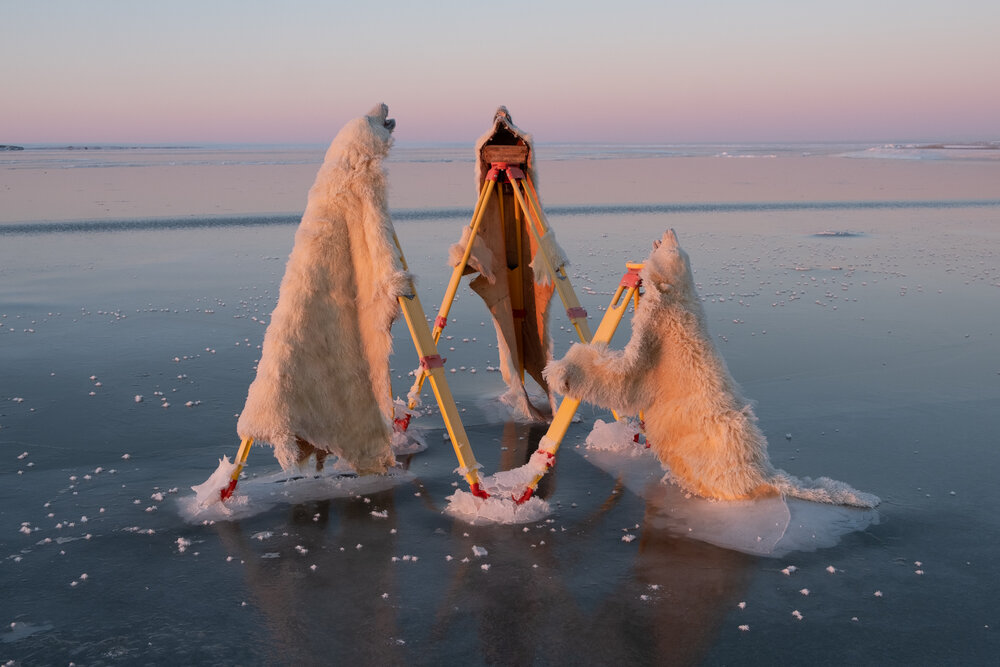
Maureen Gruben, Inuvialuk artist, employs an intimate materiality as she disassembles and re-combines disparate organic and industrial elements. Polar bear fur, beluga intestines, seal skins and gathered kelp encounter resins, vinyl, bubble wrap and metallic tape, forging critical links between life in the Western Arctic and global environmental and cultural concerns. Learn more in Tero.
Sofia Jannok is a Sámi singer/songwriter from Sweden. Jannok records in multiple languages and blends genres from acoustic to pop. Her music expresses themes of Sámi culture and identity stemming from power yoiks, traditional Sámi vocal music. Her songs are also deeply connected to environmental activism and Indigenous rights, and she draws upon natural landscapes in her lyrics.
Britta Marakatt Labba is a Sámi Indigenous artist whose textile work in embroidery and applicaé, or duodji in Sámi culture, explores memories, contemporary events, and warning about possible futures. The images in Britta’s textile work illustrate the history and mythology shared through Sámi traditions and storytelling. The evolution of Sámi culture and people, as well as their connection to the Earth, is evident in Britta’s work.
Dom-an Florence Macagne is a Kankanaey Indigenous nose-flute musician, a bamboo instrument played with nose breath. She and her family cherish the music of the flute for its spiritual connection to their loved ones, and for the escape from reality it provides. Read more about Macagne’s nose-flute practice in her interview with Tero Magazine here. Dom-an is also a community activist and gardening enthusiast. Her music impacts her relationship to the events happening around her, breath grounding her in the most unbearable moments. Learn more in Tero.
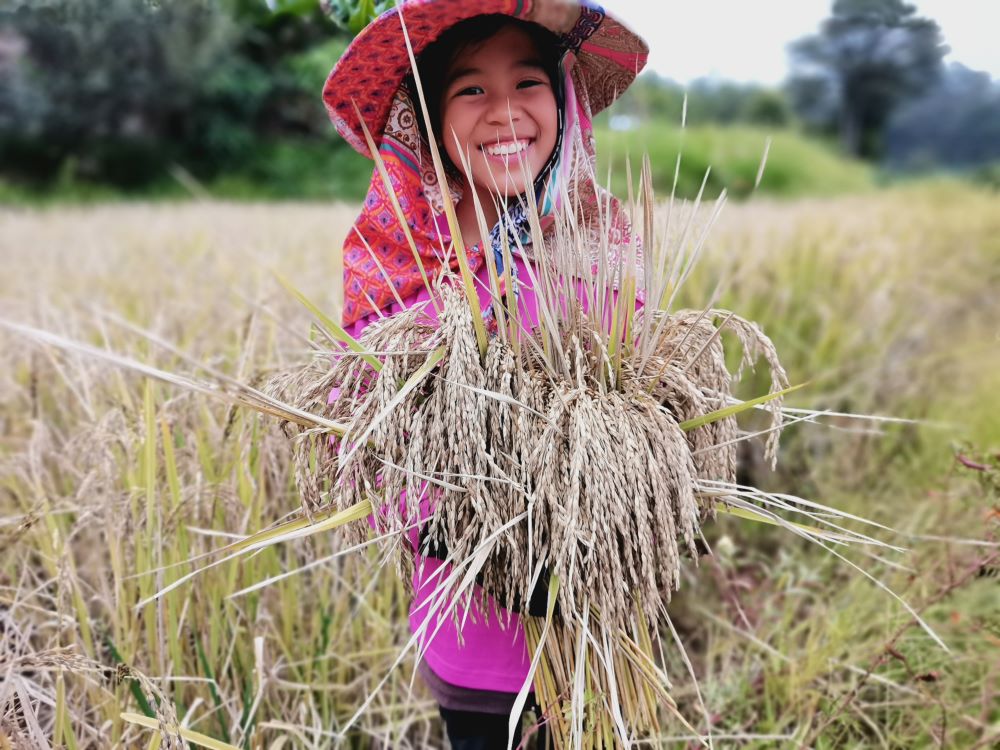
Lise Tapio Pittja, Sámi Indigenous artist, conveys árbediehtu– Sámi traditional knowledge passed down through generations– in her duodji work. Lise’s work thematically follows Sámi connection to nature and highlights objects that do not have traditional roles in modern Sámi culture. Her work also raises awareness of the exploitation of Sápmi land, people, and culture.
Lena Viltok is a Sámi Indigenous artist who creates paintings and duodji. Her duodji work uses all parts of the reindeer in different seasons to make hats, shoes, gloves, and bags, a time-consuming, but worthwhile process. Viltok’s paintings focus on the natural environment and animals that surround her, and are inspired by land not harmed by humans. Her work highlights Sámi heritage and the vitality of untouched land.
Sculpture and Installation
Artists creating large-scale works which transform their occupied spaces
Clare Celeste Börsch is an international artist working in Berlin, Germany whose immersive installations are evocative of our planet’s threatened biodiversity. She is endlessly fascinated by the connections between organisms, the intricacies of ecosystems, the complexity of nature and its resilience and beauty. Her work is dedicated to raising awareness and action around the ecological crisis.
Caitlind R.C. Brown and Wayne Garrett collaborate in Calgary/Mohkinstis in Western Canada to create sculptures, installations, and more. They focus on false dichotomies, such as light and dark or nature and culture. Working within different environments, they play with what is or is not allowed in nature and society. Much of their work is site-specific and molds to the living environment, demonstrating coexistence of natural and non-natural materials that is enlightening rather than destructive.
Caledonia Curry (SWOON) combines art and activism by creating installations, films, prints, and sculpture that promote social and environmental justice. Her work is deeply connected to healing trauma and responding to crisis through art, reaching outside of traditional galleries to the people supported by her community projects. From natural disasters to systemic failures displayed even in her early years creating Street Art, Curry’s work honors community resilience in the face of environmental disrepair.
Pieremilio Gandini, a French artist based in Belgium, explores the impermanence of things and nature through drawings, installations and sculptures, using fragile and alterable materials such as wax and clay. Exhibitions of his work were held at the Greylight Project, at the Centre de la Gravure et de l’Image Imprimée de La Louvière, and at the Lethaby Gallery in London. Learn more in Tero.
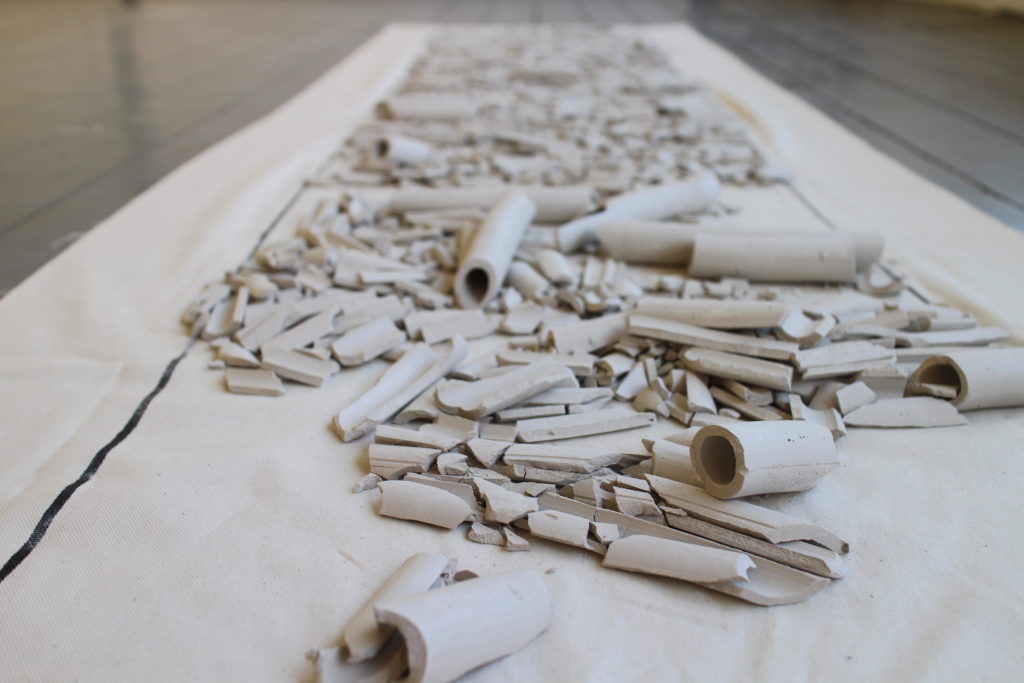
Amber Ginsberg is a Chicago, USA-based sculpture and installation artist inserting historical context into social concepts of today. Ginsburg’s work exists within nature or inside galleries and utilizes natural systems and resources. Her work is often a meticulous process that involves many people with different skillsets, as she collaborates with multiple artists who value natural materials in a unique way. Much of Ginsberg’s work highlights how nature can be a metaphor for human social practices, including our relationship to the environment.
Maureen Gruben, Inuvialuk artist, employs an intimate materiality as she disassembles and re-combines disparate organic and industrial elements. Polar bear fur, beluga intestines, seal skins and gathered kelp encounter resins, vinyl, bubble wrap and metallic tape, forging critical links between life in the Western Arctic and global environmental and cultural concerns. Learn more in Tero.
Emily Joy is a socially and environmentally engaged artist making sculpture, installation and performative work. Currently exploring Swiss glacial melt and the associated ecological and social impacts, her practice is centered around participatory work and collaborations that investigate communication and empathy. Her work is also driven by cross-disciplinary collaborations that question hierarchies and assumptions about knowledge and learning. Learn more in Tero.
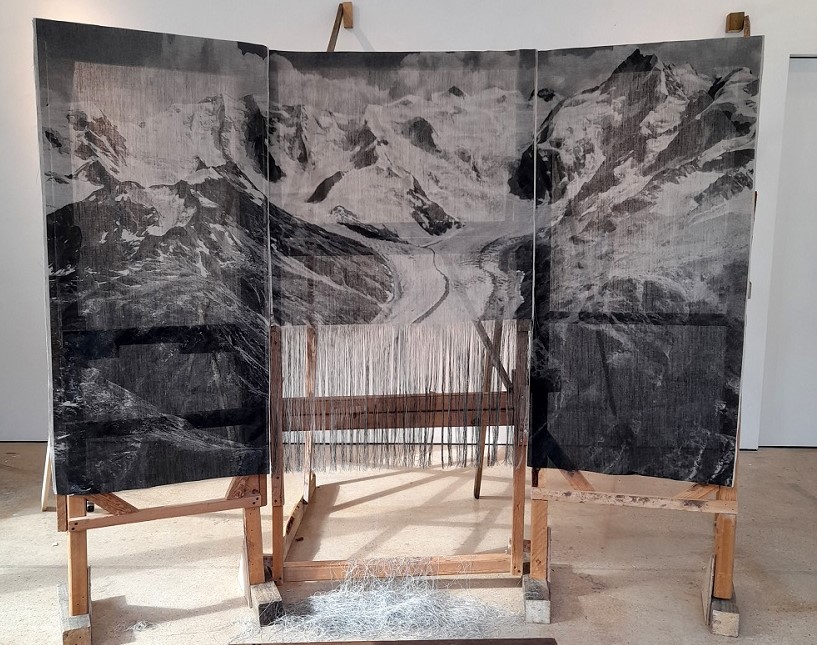
Ellen Mulcrone is a multi-disciplinary artist based in Bristol, UK. The focus of Ellen’s work is space and how it affects us. She creates cocoon-like structures from a diverse range of materials, large enough for humans to crawl inside. Ellen create spaces with the intention for people to slow down, reflect, rest and drop back in to the heart. These spaces cannot be quickly labelled or categorised. We don’t have an automated internal response of how we should interact with them, emotionally nor physically, and therefore they provide an opportunity for us to show up authentically. Learn more in Tero.
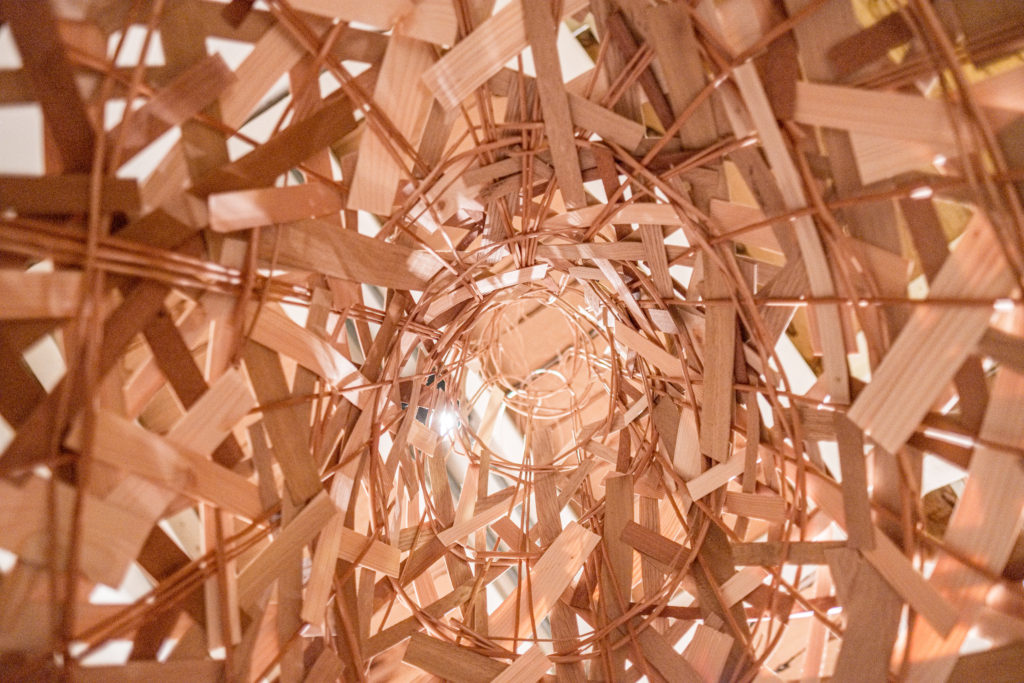
Regan Rosburg’s art is interdisciplinary, incorporating science, phycology, history, and social engagement in the discussion of anthropogenic climate change. Her work highlights the intelligence of ecology and destructive overconsumption by using art as a symbolic language, reframing humans’ emotional connection to nature. Learn more in Tero.
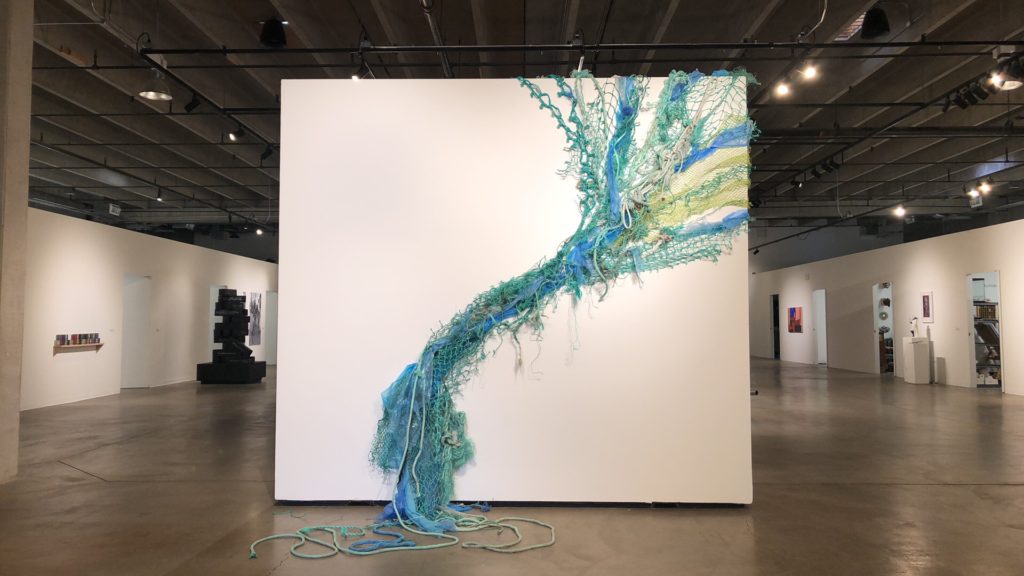
Barnaby Steel is an artist, director and the creative director of London based experiential studio Marshmallow Laser Feast. Steel’s art practice combines a wide range of disciplines including sculpture, installation, live performance, and mixed reality. His work illuminates the hidden natural forces that surround us, inviting participants to navigate with a sensory perception beyond their daily experience. He explores the concepts that are underpinned by research, and fundamental to life on Earth. Learn more in Tero.
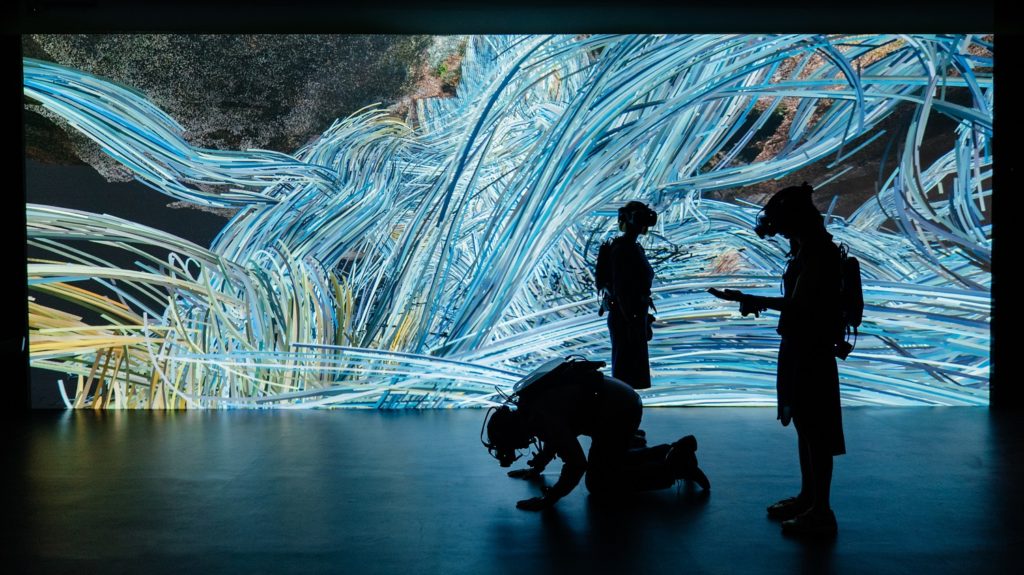
Superflux Studio is a collaborative futures company that practices art, research, and experimental design. Their work imagines hypothetical worlds and circumstances that are meant to challenge our beliefs about climate change, artificial intelligence, politics– demonstrating the interconnectedness of issues which are so central to communities today. Superflux partners with different entities, from Google and IKEA to museum galleries, to create understanding of what is shaping our future. Their work takes the form of storytelling, installations, visual art, writing, and more.
Jason deCaires Taylor works underwater to sculpt and photograph environmental activism, exploring conservation through his submerged museums. He uses environment-friendly materials that allow for natural growth in marine environments, and as organisms participate in his sculptures, they signify rebirth and metamorphosis. His underwater work highlights the resilience of marine ecosystems that humans often overlook, demonstrating how ocean, tidal, and coastal areas can provide strength to the climate movement.
Performance
Artists who create ephemeral works for a stage, from dance and theater to scriptwriting and directing
Artichoke Dance Company is a performance group that uses dance as a tool for environmental justice and education. Their work often travels to different landscapes, working with nature and community members to not only perform, but to also create a space of empowerment and connection, inspiring environmental action. Artichoke Dance Company also practices creative reuse by redirecting landfill waste and transforming it into vital parts of their performances.
Caitlin Nasema Cassidy, based in New York City, USA, is a theatremaker facilitating environmental awareness through wonder. Her work is a thorough process that relies on the stories of those closely tied to the topic, as well as science and imagination that shape the presentation. Cassidy is also the Founding Co-Artistic Director of LubDub Theater Company, an organization creating theatrical work in response to the climate crisis. Learn more in Tero.
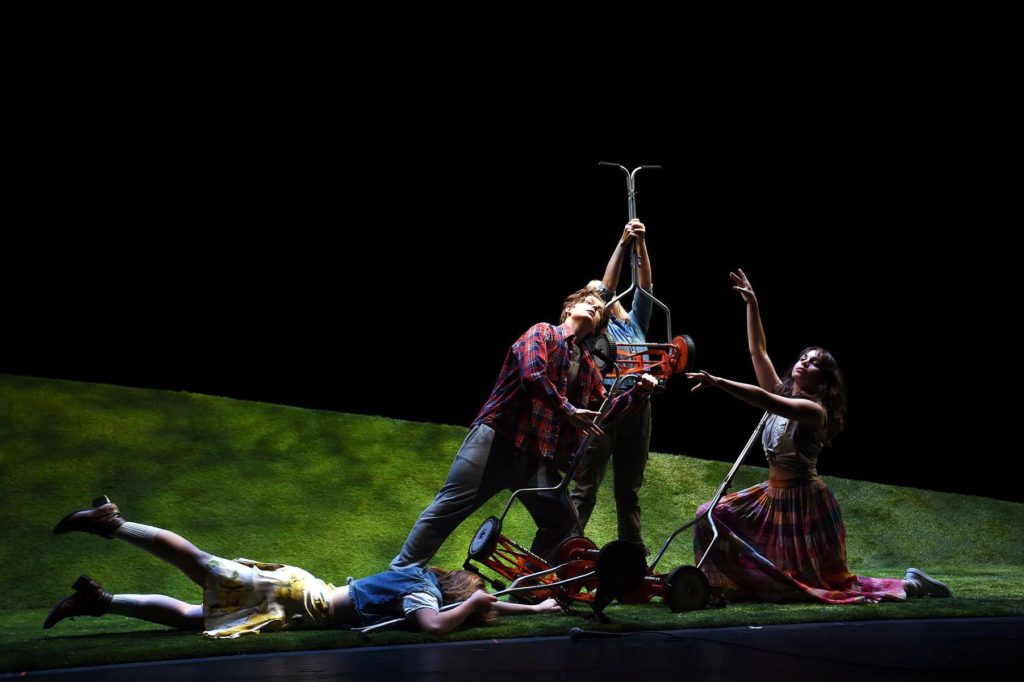
David Finnigan is a writer and theatremaker from Ngunnawal country, Australia who works with research scientists to produce theatre about climate and global change. His scripts and shows include personal accounts of the climate crisis with detailed scientific information supporting them. The characters and stories created in his work are indicative of pressing issues in today’s world. Learn more in Tero.
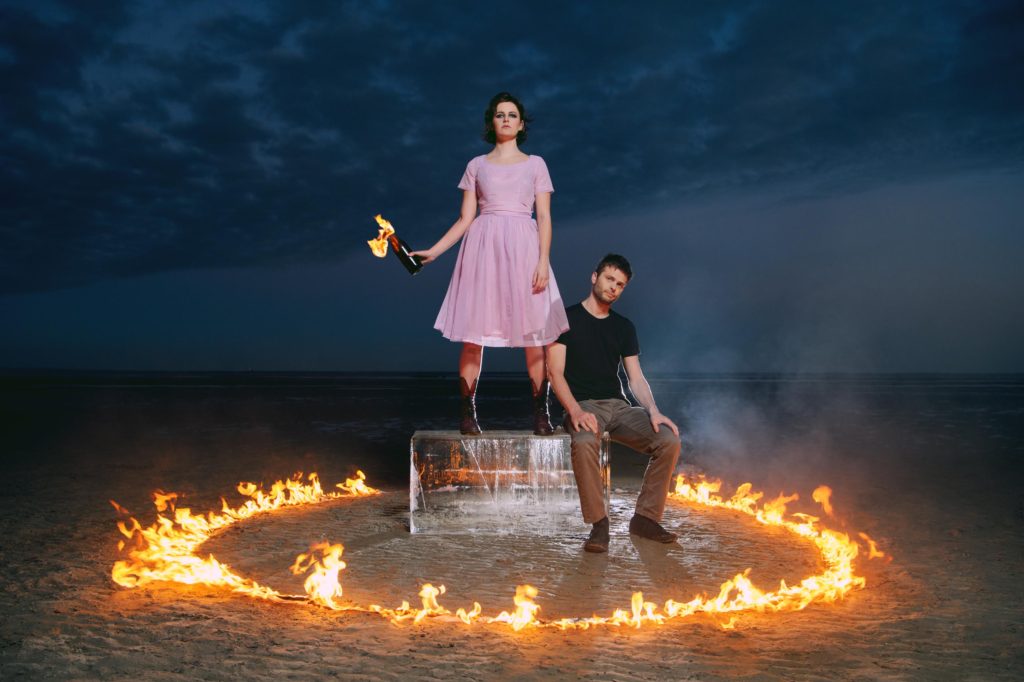
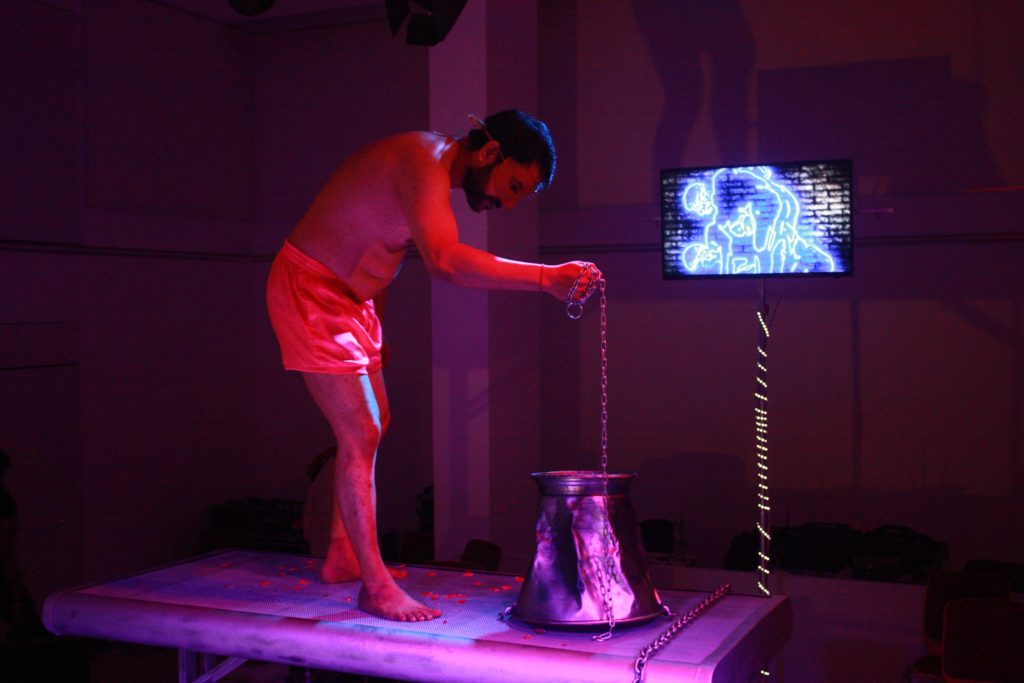
Kiyo Gutiérrez is a Mexican performance artist based in Guadalajara. Ecofeminist, provocative, earthy, politic, her work explores environmental, social and political issues affecting contemporary society. She places her body into ruptures opened up by instability, precarity, and pollution. Her art seeks to fulfill performance art’s potential as a tool of resistance and strives to dissolve cultural taboos that have been constructed under a patriarchal system, with the hope of eroding preconceived notions of nature, culture, gender, identity, sexuality and art, in order to generate and disseminate discussions on complex social realities. Learn more in Tero.

Abhishek Majumdar is a playwright, scenographer, essayist, and director. He is the artistic director of the Nalanda Arts Studio in India. He is also Visiting Associate Professor at New York University in Abu Dhabi. He works and lives out of Bangalore and Abu Dhabi. Learn more in Tero.
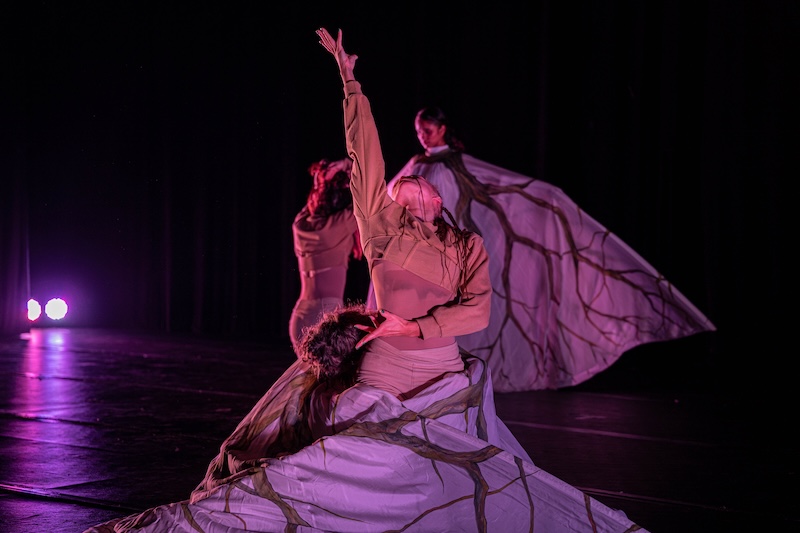
Jody Sperling, choreographer and eco-artist based in New York City, USA, founded Time Lapse Dance, an organization dedicated to exploring climate justice through dance. Sperling created the dance Arbor which digs into the intimate entanglement of trees. Inspired by scientific research on the “wood wide web,” which unearthed the complex multi-species collaboration of arboreal life, Sperling’s work models human cooperation and interconnectedness. The presentation includes a multi-limbed dialogue on the creative process and an embodied movement experience for all participants. Watch or read about Arbor, and visit Sperling’s work here to learn about Time Lapse Dance’s mission to envision a more sustainable future through the arts.
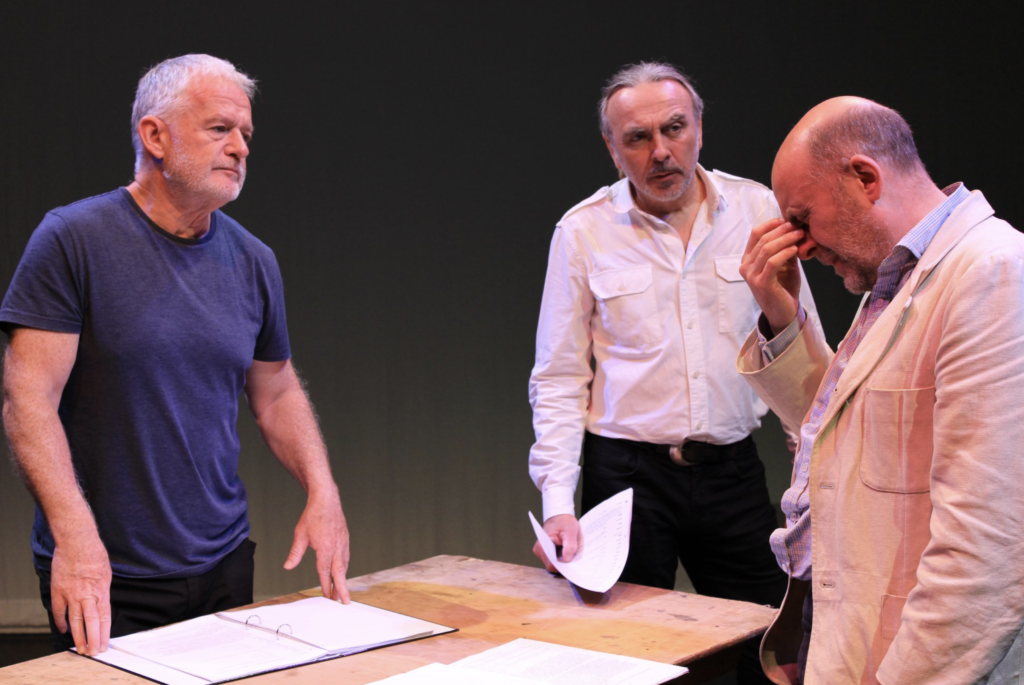
Ian Rowlands is a freelance writer and director who works in theatre, radio and television in his native Wales. Much of his theatre work is a response to devolution. Devolution has been termed a ‘process’, and it is the ‘process’ that much of his theatre work charts. Learn more in Tero.
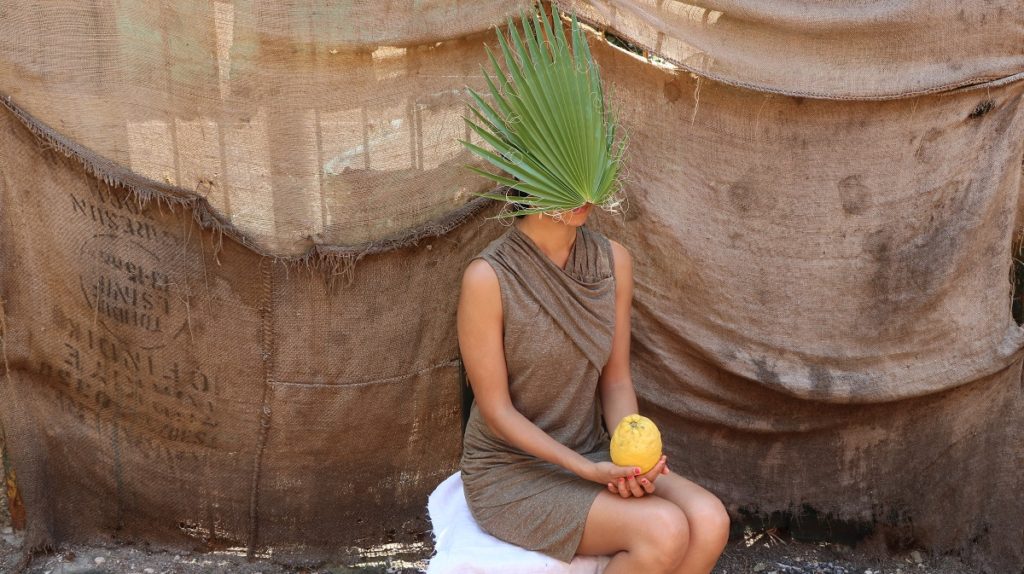
Himali Singh Soin is a writer and artist based between London and Delhi. She uses metaphors from outer space and the natural environment to construct imaginary cosmologies of interferences, entanglements, deep voids, debris, delays, alienation, distance and intimacy. She thinks through ecological loss, and the loss of home, seeking shelter somewhere in the radicality of love. Her speculations are performed in audio-visual, immersive environments. Learn more in Tero.
Caridad Svich is an American playwright based in New York. She received the 2012 OBIE for Lifetime Achievement, 2011 American Theatre Critics Association Primus Prize for The House of the Spirits, based on Isabel Allende’s novel, and NNPN rolling world premieres for RED BIKE and Guapa. Her works in English and Spanish have been produced internationally. She is founder of NoPassport theatre alliance and press, and is associate editor of Contemporary Theatre Review for Routledge UK. She is published by TCG, Methuen Drama, and Intellect UK, among others. Read excerpts from Svich’s plays, Albemarle and Ushuaia Blue, in Tero Magazine.
Film and Photography
Lens-based artists creating in single images or movement through time
John Akomfrah is an artist and filmmaker who lives and works in London as part of Smoking Dogs Films. Akomfrah directed Purple, an hour-long video installation about the Anthropocene, combining many aspects of the human impact of the environment like shifting weather patterns, melting ice, plastic in oceans, biotechnology, and more. Described as “horribly urgent,” Purple draws on events and images in 10 different countries, representing the widespread experiences of climate change.
Eldred Allen is an Inuk photographer from Rigolet, Nunatsiavut, Canada, who rigorously maps the world around him using a combination of hand-held 360° photosphere cameras, drones, and 3D modelling. As a self-taught photographer, he has learned to capture the smallest of details in nature, from wildlife to landscapes to natural behaviors. Learn more in Tero.
Pauliina Feodoroff is a Sámi film artist, theater director, and political activist whose work dissuades exploitation of Sámi land and culture. Her art centers environmental collapse and its roots in government overreach. Feodoroff’s piece, Matriarchy, represents a transition from catastrophizing to rematriation– focusing on once again building kinship and connection to the land that Sámi culture inspires.
Suwon Lee is a Korean-Venezuelan visual artist who has explored through photography and other media various ways through which to understand her passage through this lifetime. Her photography investigates the active behavior of light when images are formed. Many themes are present in her work, from memory and identity to society and the environment. Lee is currently living and working in Spain. Learn more in Tero.
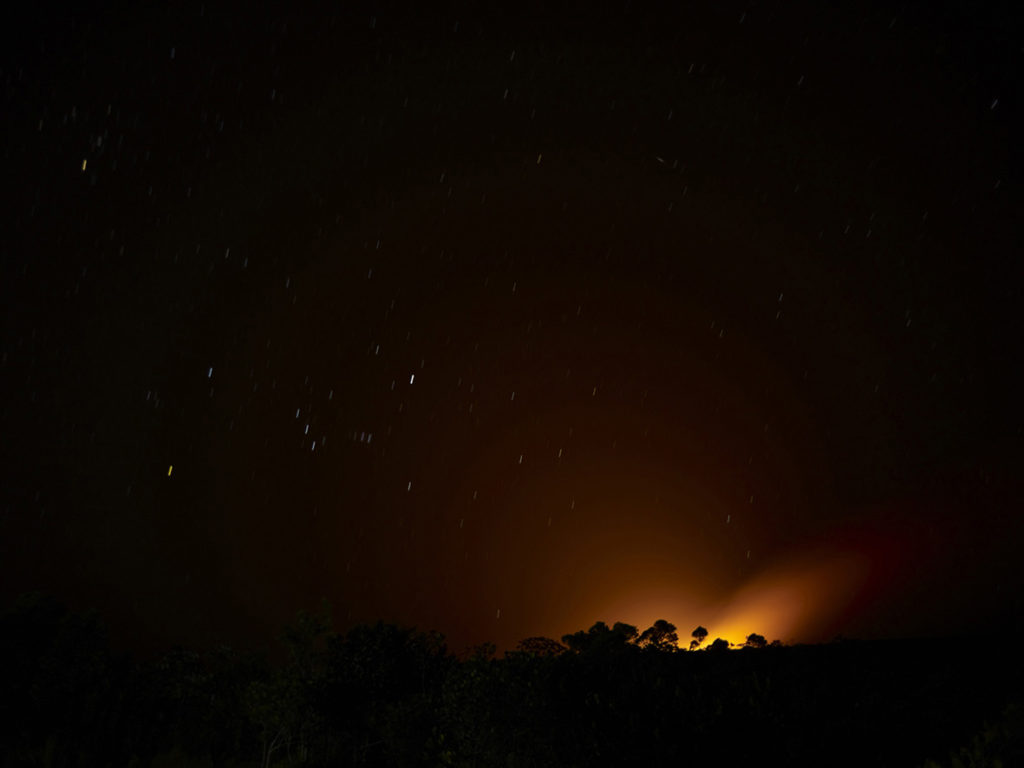
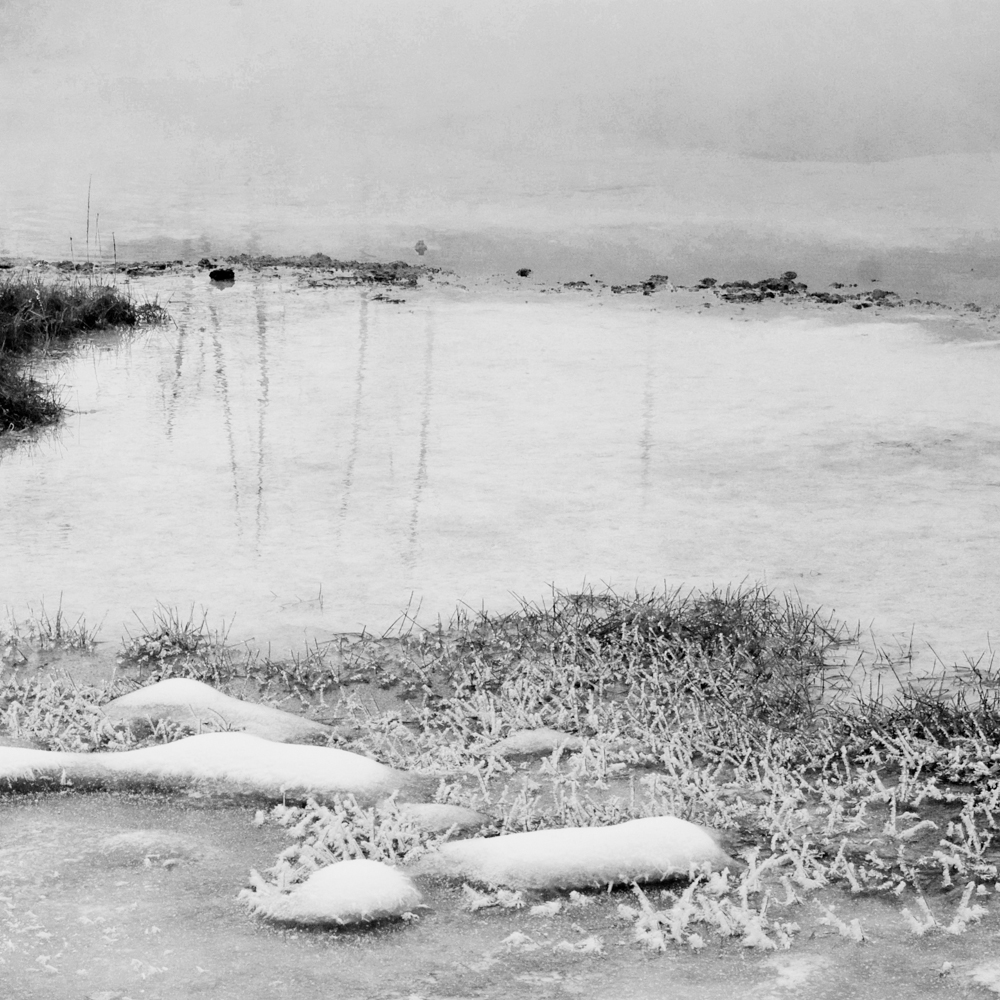
Takako Matoba’s practice responds to the intangible forces of life and the interconnectedness of all things, in particular how the environment affects the way we feel and how we affect the environment. She was born in Tokyo, Japan and currently lives and works in Oakland, California, USA. Learn more in Tero.
Music
Art made primarily with sound from singers, composers, and instrumentalists
Antoine Bertin is an artist based in Paris who creates stories out of sound, using field recordings and data to compose music. His work uses nature itself to explore how humans orient themselves in the living world. 333HZ is a piece that uses tree logs, metal, metronomes, and deforestation data to make music out of deforestation. Here, Bertin relates the rate of tree disappearance to a tempo and rhythm we understand as music.
Matthew Burtner is a composer from Alaska, USA who works in musical ecoacoustics– the interdisciplinary science of natural and anthropogenic noises– a field he was instrumental in creating. His earliest work was inspired by his experience with climate change while growing up in Alaska, exploring snow, ice, ocean, and atmosphere through sound. Burtner’s music combines traditional instruments with environmental noise, from swaying grass to shifting glaciers, decentering humans and providing a space for biodiversity and non-human life to flourish.
Artist Susie Ibarra and scientist Michele Koppes collaborated to create Water Rhythms, a musical representation of ecological harmony and the loss of glaciers and freshwater resources throughout recent decades. By recording movement and sound of glacier runoff, Ibarra and Koppes were able to demonstrate the consistent rhythms and tempos water flows to. Additionally, they matched the music of water to the noise of people on the shore, highlighting how water truly connects to human life.
Sofia Jannok is a Sámi singer/songwriter from Sweden. Jannok records in multiple languages and blends genres from acoustic to pop. Her music expresses themes of Sámi culture and identity stemming from power yoiks, traditional Sámi vocal music. Her songs are also deeply connected to environmental activism and Indigenous rights, and she draws upon natural landscapes in her lyrics.
Dom-an Florence Macagne is a Kankanaey Indigenous nose-flute musician, a bamboo instrument played with nose breath. She and her family cherish the music of the flute for its spiritual connection to their loved ones, and for the escape from reality it provides. Read more about Macagne’s nose-flute practice in her interview with Tero Magazine here. Dom-an is also a community activist and gardening enthusiast. Her music impacts her relationship to the events happening around her, breath grounding her in the most unbearable moments. Learn more in Tero.
Multimedia and Multidisciplinary
Artists creating with multiple mediums or working in multiple different art forms
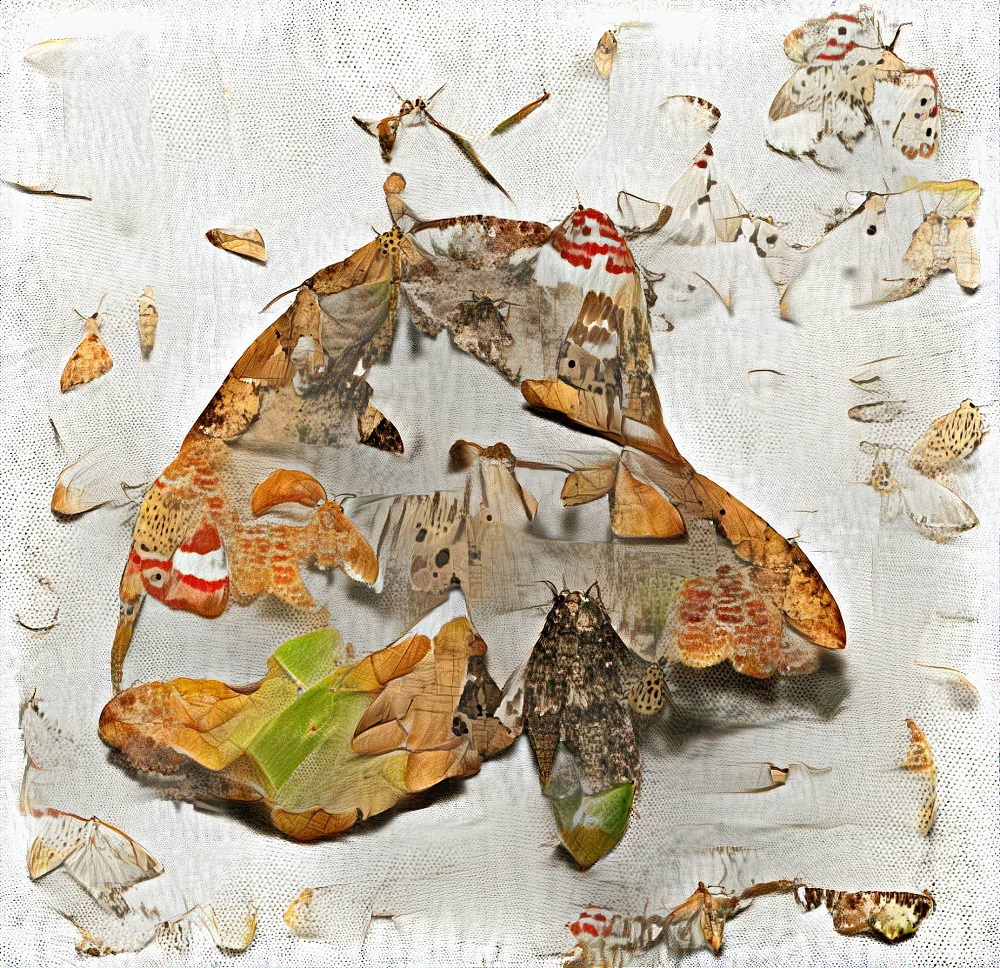
Sofia Crespo is an Argentine artist with a huge interest in biology-inspired technologies, currently working in Lisbon, Portugal. One of her main focuses is the way organic life uses artificial mechanisms to simulate itself and evolve, this implying the idea that technologies are a biased product of the organic life that created them and not a completely separated object. She is also hugely concerned with the dynamic change in the role of the artists working with machine learning techniques. Learn more in Tero.
Olafur Eliasson, located in Berlin, Germany, is a multimedia artist whose exhibitions explore the role of art in humanity and society. In this piece titled Life, Eliasson builds a natural environment embedded in man-made architecture. This virtual construction allows viewers to see details like bright green water, build up of leaves and plants, and movement driven by interaction with the outside world. There is no time restriction or man-made limitations to the exhibit, allowing viewers to witness it from many different perspectives. Learn more about the response to this piece from scientific research conducted on site.
Nicholas Galanin’s – Yéil Ya-Tseen, Tlingit/Unangax̂ multi-disciplinary artist, engages contemporary culture from his perspective rooted in connection to land in his artwork. He exposes intentionally obscured collective memory and barriers to the acquisition of knowledge, and critiques commodification of culture, while contributing to the continuum of Tlingit art. Galanin employs materials and processes that expand dialogue on Indigenous artistic production, and how culture can be carried. He lives and works with his family in Sitka, Alaska. Learn more in Tero.
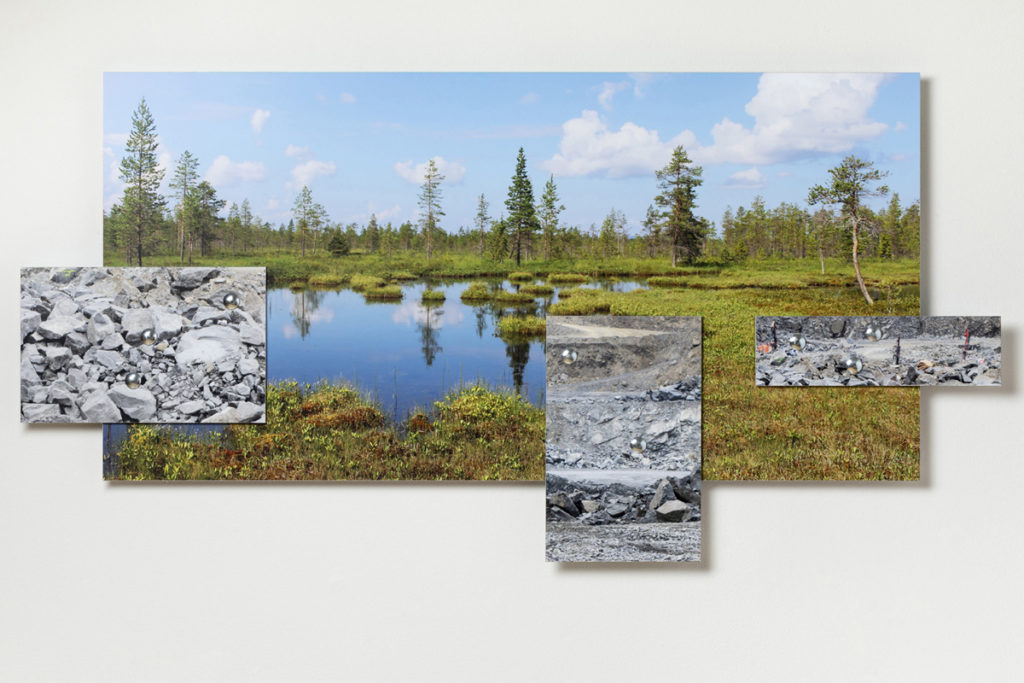
Kaija Kiuru was born, lives and works in Sodankylä municipality, Finnish Lapland. She is interested in the idea of man as part of nature, but especially in the dominant role of man over the rest of nature. Her body of works ranges from small, delicate piece collections to large landscaping works. Learn more in Tero.
Feileacan McCormick is a generative artist, researcher & former architect, and the founder of Entangled Others Studio. His practice focuses on ecology, nature & generative arts, with a focus on giving non-human new forms of presence & life in the digital space. Learn more in Tero.
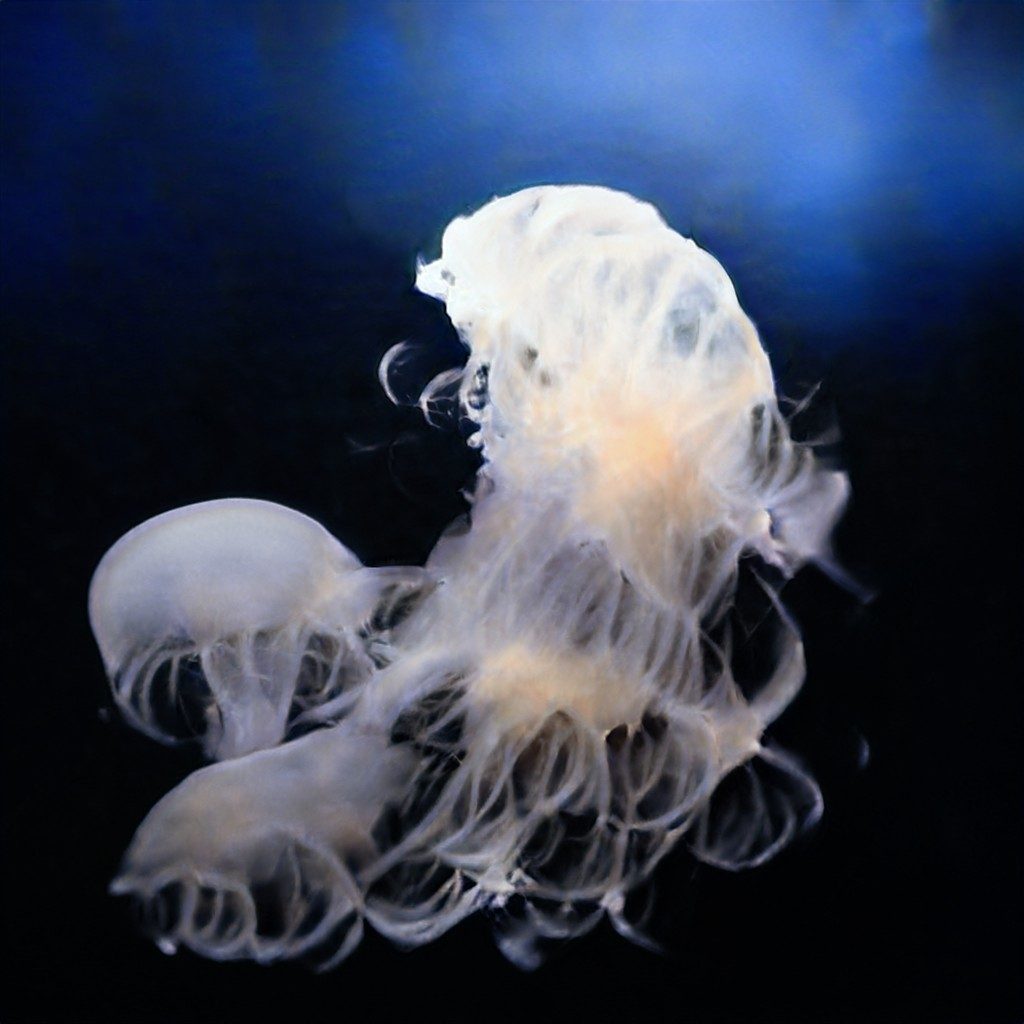
Achim Mohné works with time-based media, installation, performance, public intervention, computer, internet and sound in Cologne, Germany. Within his projects, the artist investigates the medium itself at the interface of apparatus, software, action and intermediality, and thereby reduces the so-called ‘New Media’ to a ‘Poetry of the Apparatus.’ Communication in new media and technology inspire him to redefine our perceived consciousness. Learn more in Tero.

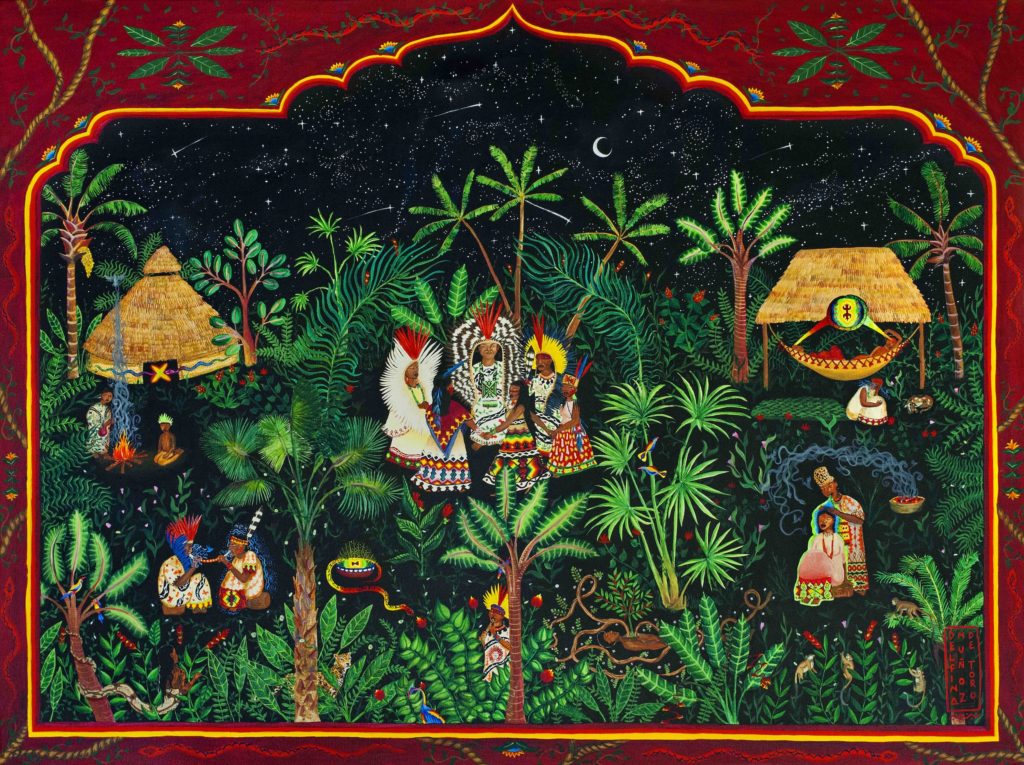
Delfina Muñoz de Toro, painter and musician born in Argentina, has dedicated her life to the promotion and visibilization of indigenous culture, as well as to living and working with communities that carry the teachings of ancestral Amazonian traditions. Currently she has her workshop in a secluded river area in the forest where she continues her studies, realizes visionary paintings, and records her music. She is also the co-founder of Xinachti Foundation, a non-profit organization preserving the wisdom of Indigenous ancestors. Learn more in Tero.
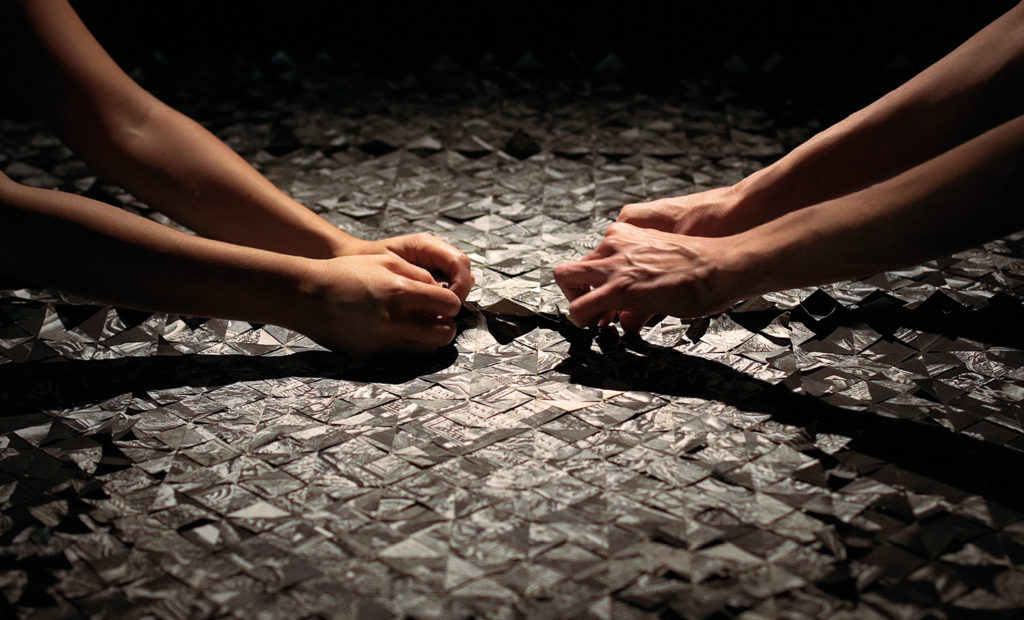
Catalina Swinburn, Chilean visual artist, operates on the shifting border that she establishes between cult and artistic practice through the use of rites (performance) and the arrangement of objects. Her exploration of different visual media results in highly emotional images created with metaphoric and symbolic manipulations that challenge reality as a representation the artist is part of. She lives and works in London, Buenos Aires, and Santiago, Chile. Learn more in Tero.
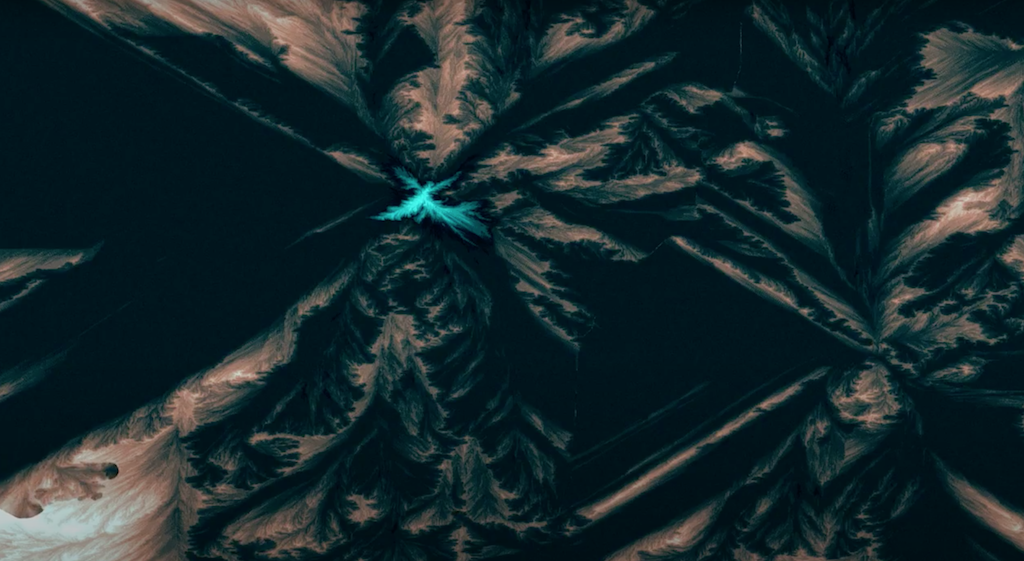
Bileam Tschepe (Elekktronaut) is an interdisciplinary artist and designer from Berlin, Germany. He creates audiovisual and generative art inspired by behaviors and patterns in nature and internal dialogue brought about by other art forms. Additionally, Tschepe is a music artist. Learn more in Tero.
Cecilia Vicuña is a Chilean artist and activist who creates quipus that center urban and natural landscapes while demonstrating an interconnectedness of beings. In Brain Forest Quipu, Vicuña brought together Indigenous activists in this digital quipu. Each video within the quipu explores different organizations built by Indigenous communities, amplifying the voices of those most affected by climate change. Vicuña’s other artwork, including multi-media, painting, and installations, focuses on ecological destruction, human rights, and cultural homogenization.
Rūta Žemčugovaitė is a multi-disciplinary artist, researcher, & facilitator of transformation. She writes Regenerative Transmissions, a newsletter about a deep desire to move away from extractive relating to the living world, into regenerative and mutual interbeing. Her work inquires into regenerative futures through researching mycelium as a co-creator and designing experiences of perception change for more-than-human imagination. Žemčugovaitė discusses her work, Refusal to Heal, in Tero Magazine, including how this idea came to be and how she practices creative vulnerability. Learn more in Tero.

Textile
Artists working with fabrics and fibers
Victoria Andersson is a Sámi embroidery artist whose work is often about nature, human impact on the environment, and nature she encountered in childhood. Her textile work depicts colorful shapes, tree motifs, humans, and hockey, all of which takes a great deal of time and precision to produce. Andersson’s work is uniquely thorough and provides viewers with an abstract sense of expression.
Britta Marakatt Labba is a Sámi Indigenous artist whose textile work in embroidery and applicaé, or duodji in Sámi culture, explores memories, contemporary events, and warning about possible futures. The images in Britta’s textile work illustrate the history and mythology shared through Sámi traditions and storytelling. The evolution of Sámi culture and people, as well as their connection to the Earth, is evident in Britta’s work.
Renuka Ramanujam is a printmaking artist and material/textile designer. She is interested in how materials play a large role in our lives and the creation of regenerative design systems. Ramanujam is the founder and CEO of HUID, a company that focuses on utilizing onion waste to create a material solution to single use plastic packaging. Learn more in Tero.
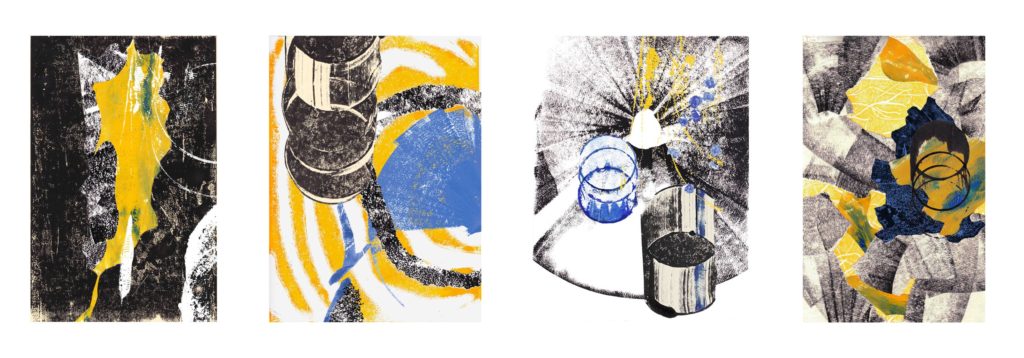
Lise Tapio Pittja, Sámi Indigenous artist, conveys árbediehtu– Sámi traditional knowledge passed down through generations– in her duodji work. Lise’s work thematically follows Sámi connection to nature and highlights objects that do not have traditional roles in modern Sámi culture. Her work also raises awareness of the exploitation of Sápmi land, people, and culture.
Lena Viltok is a Sámi Indigenous artist who creates paintings and duodji. Her duodji work uses all parts of the reindeer in different seasons to make hats, shoes, gloves, and bags, a time-consuming, but worthwhile process. Viltok’s paintings focus on the natural environment and animals that surround her, and are inspired by land not harmed by humans. Her work highlights Sámi heritage and the vitality of untouched land.
Other Visual Art
Traditional and contemporary artists with visual artworkw
Sean Bodley is a visual designer and illustrator living in Los Angeles, California (USA), currently working for the T.V. show Rick and Morty as a Background Designer. In his artwork he explores solarpunk themes of destruction and regrowth that paint a picture of humanity’s connection to the environment. Sean’s futuristic scenes are set in places and concepts familiar to us that have been transformed. Although his illustrations can portray an overgrowth of environment that might be unsettling to us today, the communities living in harmony with that overgrowth are a refreshing source of optimism.
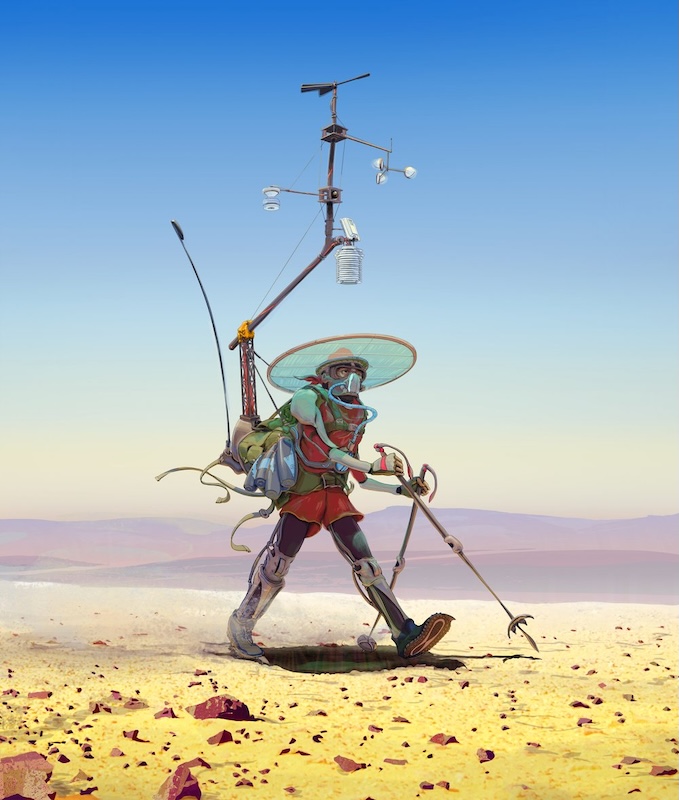
Mat Chivers, British visual artist, looks at some of the fundamental phenomena that drive our thoughts and actions. He explores ideas relating to perception, cognition, evolutionary process, ecology and ethics by bringing traditional analogue approaches to making into counterpoint with state-of-the-art digital technologies. His practice in sculpture, drawing, film and performance often involves close collaborations with individuals and institutions in the fields of science, technology and academia. Chivers work is based on in-depth research and a response to place, to articulate some of the wider relationships that we all share and on which we all depend. Learn more in Tero.
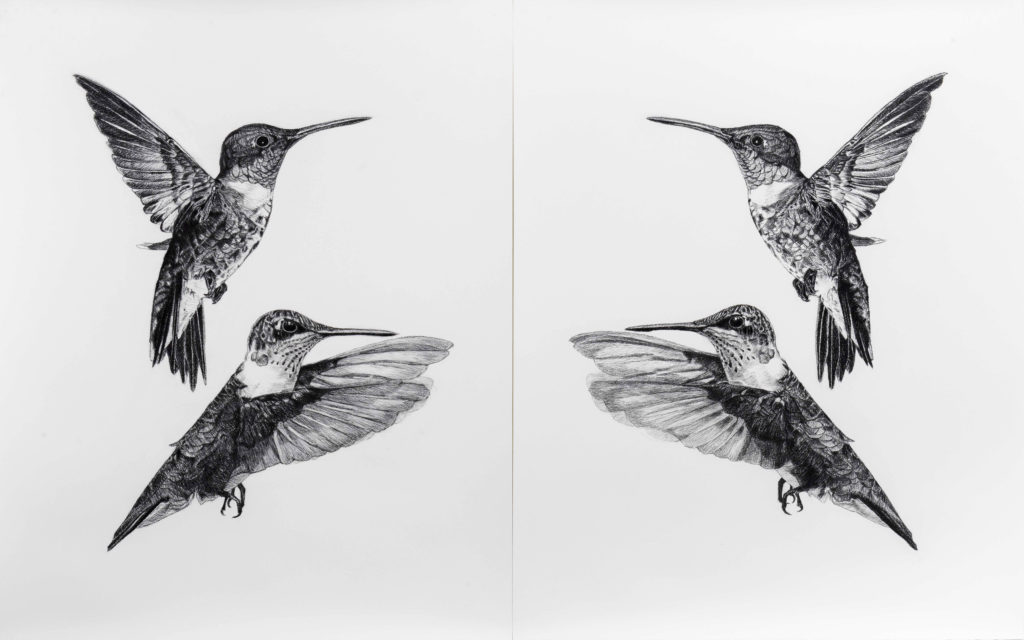
Christian Holland is a visual artist living in Los Angeles, California, whose work focuses on vibrant and dynamic landscapes, futuristic technology, and fashion and architecture. These elements are evident in his solarpunk artwork where he explores themes of harmony, green innovation, and timeless aesthetics. His digital work is three-dimensional, the movement allowing viewers to imagine his scenes as realistic portraits of the future.
HULA (Sean Yoro) is a visual artist based in Los Angeles, USA who uses non-toxic, biodegradable materials to paint images of people on different natural structures, directly exploring the connection between humans and the environment. In his series A’o Ana, he painted figures on floating icebergs. As the ice melts, the painting fades, demonstrating the devastating effects of melting ice brought on by climate change. The temporary nature of his work reflects the minuscule presence humans could have in the environment.
Madjeen Isaac’s work is inspired by both her Haitian-American roots and her hometown of Brooklyn. By combining landscapes and realities of the two, Isaac reimagines a revolutionized future and considers how to “reinvent home away from home.” Her paintings display community joy and autonomy, often within the natural environment.
Dustin Jacobus is a Belgian artist and industrial design engineer who creates solarpunk art, exploring the question “what would a world look like if we cared for all life forms?” In Dustin’s portfolio are many incredible sketches and illustrations of a harmonious life between animals, nature, and people. Dustin specializes in solarpunk art featuring nature-based climate solutions, resilient architecture, urban green space, and more. His work demonstrates how local communities can work together to create sustainable lifestyles and infrastructure. Learn more in Tero.

Ellen Piot is a Belgian designer and visual artist, whose Obelisco sculptures aimed at restoring original oak forests in Portugal, following devastating eucalyptus forest fires in 2017. Her work was exhibited at L’abbaye de La Cambre in Brussels, at the expeditie in Ghent, as well as at Avenue in Gothenburg and at Galeria do sol in Porto. Learn more in Tero.
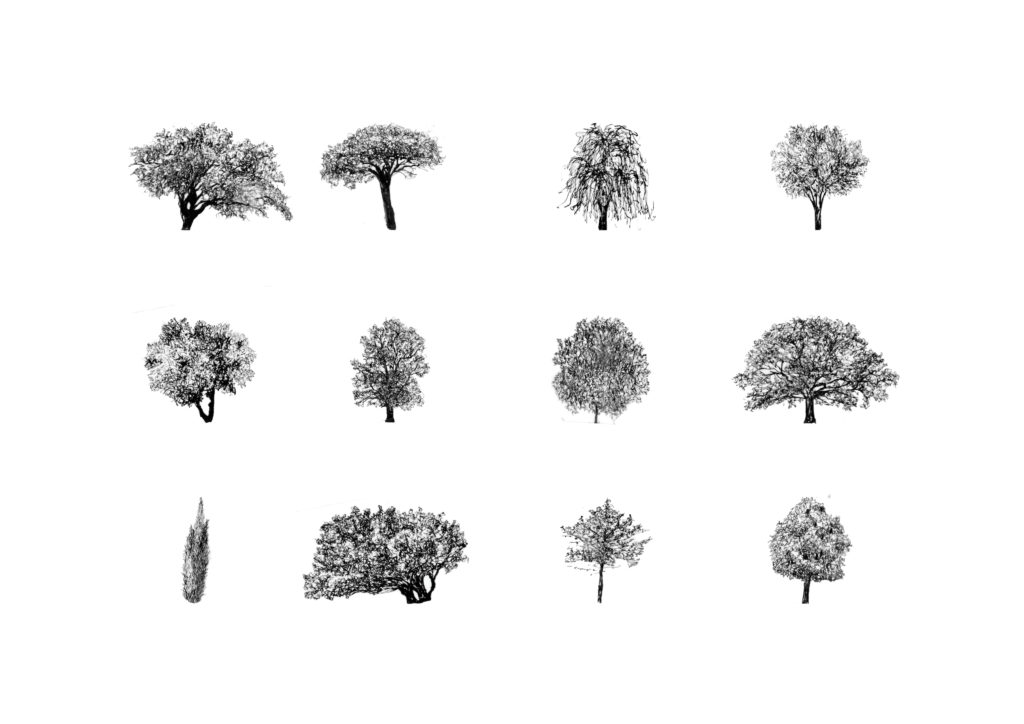
Luc Schuiten, architect and artist for forty years, works to design sustainable architecture that combats environmental degradation. His work focuses greatly on design harmonizing with the natural environment, emphasizing innovation. Visit the architecture, furniture, transportation, research, and urbanism & landscape profiles in Schuiten’s portfolio to browse his vision of unconventional structures. Schuiten dives even deeper with his Homeless series that details four different approaches to providing shelter to the unhoused, each design encouraging us to consider how nature and innovation can drive us toward environmental justice.
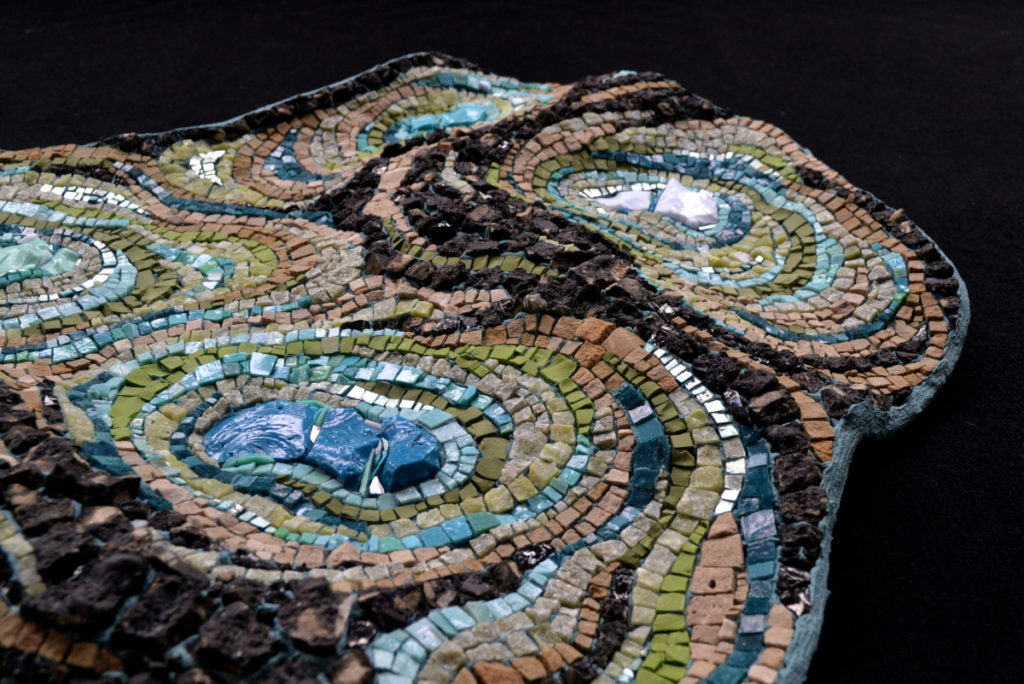
Julie Sperling is a Canadian mosaicist using the ancient language of mosaic to speak about contemporary environmental issues like climate change and the Anthropocene. Their work sits at the intersection of art, environment, science, and policy. Some of the concepts Sperling’s work explores include land defenders, ocean acidification, and biodiversity loss. Learn more in Tero.
Jessica Woulfe is a visual and Solarpunk artist whose work depicts both ancient and modern ideas of the natural environment. Her art typically features a landscape in full, with humans appearing as small, but seamless aspects of each piece. She is based in Auckland, New Zealand.
This is an ever growing library. Please let us know which artists should be added, and check back for more! If you have questions, please write to: [email protected].