Jennifer Uchendu is a Nigerian climate activist and co-founded The Eco-Anxiety Africa Project (TEAP) to shift the narrative and inspire conversations around eco-anxiety in Africa. She will be the speaker in the workshop on emotional wellbeing in our upcoming Mending Earth learning journey.
In our interview, we explore what motivates her, the work she does with TEAP, and the role of community and intergenerational wisdom in addressing the intersectionality between mental health and climate change.
Niels Devisscher: You founded The Eco-Anxiety Africa Project and SustyVibes, and you’ve also researched the emotional impacts of climate change. What motivates you and gets you out of bed in the morning?
Jennifer Uchendu: I am motivated by the sheer potential of good that we can do in the world when we’re courageous, take a leap, and see the ripple effects we create, whether directly, through a project, campaign, or research, or indirectly, when young people read something online or learn something through offline activation. I have always been someone who wanted to create change. Getting to do that with more and more young people is very exciting.
Niels Devisscher: Why did you create TEAP, and what do you feel was missing among existing initiatives at the time that were addressing eco-anxiety?
Jennifer Uchendu: TEAP was founded mostly from my own experience with eco-anxiety. I had been running SustyVibes for a couple of years when I started to feel the burnout and severe overwhelm. I later understood I was experiencing eco-anxiety. There simply weren’t enough narratives or conversations around this issue in Africa.
I decided to step in and do something about it, leveraging the community we had already built at SustyVibes. I wasn’t the only one experiencing eco-anxiety; other employees and volunteers were experiencing it, too. We just didn’t have a name for it. TEAP exists primarily to validate these experiences and emotions and provide support.
Underlying all of this is a desire to gather evidence from the lived experiences of young people. We want to understand how the climate crisis and broader environmental issues are affecting their mental health, and how they can be better supported.
Most existing research on this topic focuses on the global North, which reflects existing power dynamics. Part of TEAP’s mandate is to support research, build evidence, and share more of our own stories. After all, initiatives created for young people without involving them have consistently proven to be ineffective.
Niels Devisscher: How are the experiences of and approach to climate anxiety different in Nigeria and the wider African context from the US and Europe? What do you think are our blind spots, and what can we learn from Africa?
Jennifer Uchendu: That’s a great question, and I think the answer is very contextual. While I started this work in Nigeria, I’ve also studied in the UK and worked in the Netherlands, and I’ve seen how different regions respond in ways that make sense for their specific realities.
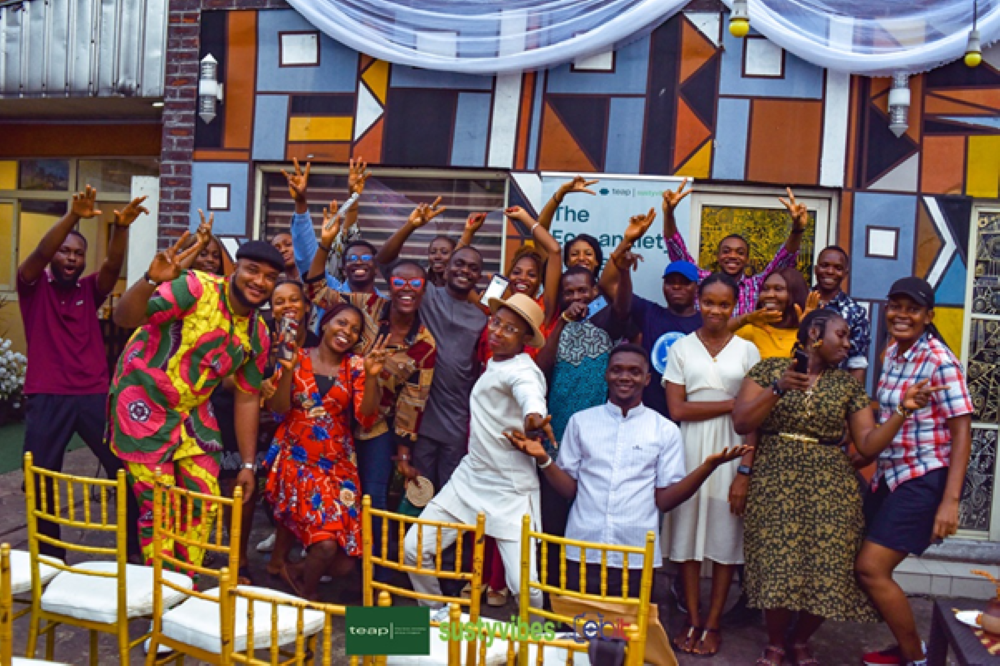
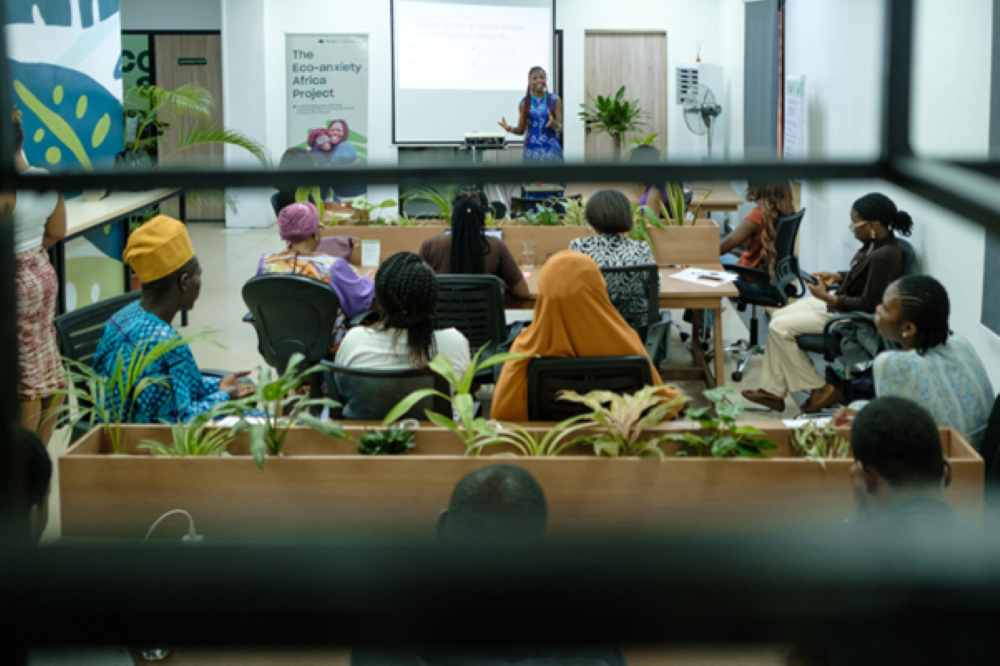
In Africa, and particularly through our work at TEAP, we’ve leaned into approaches that are familiar across contexts, like safe spaces and talk therapy. You might know this as a Climate Café; we have our own version called the Zen Café. It’s a space where we openly talk about mental health issues, situating them within environmental and climate change. We always try to be real and vulnerable. We recognize that climate change compounds existing systemic issues like poverty, unemployment, and other social determinants of wellbeing. Our spaces confront those realities.
Additionally, one thing we’ve also done at TEAP is to look at the role of Elders. In Nigeria and Africa more generally, we have a lot of respect and reverence for our Elders. They have been here long before us and have gathered much life experience. We tap into that intergenerational wisdom by creating opportunities for young people to share what they’re feeling, and for Elders to respond. Research shows that validating climate or eco-emotions is a good first step in supporting young people. And hearing Elders or even governments acknowledge guilt or offer apologies can go a long way in helping young people feel seen, grounded, and hopeful. Elders, in turn, have shared their experiences with young people, whether as activists or just as people living in Nigeria. That exchange has been deeply meaningful.
Agency is another big part of addressing climate or eco-anxiety. By agency, I mean supporting young people to build resilience and giving them the space and opportunity to take action, because action is one of the most effective antidotes to eco-anxiety.
At the heart of our work at TEAP is youth-centered and youth-led action. So beyond talking and seeking support, we ask: how can we take action? What projects can we do?
One example is our Zen Guardians project. It goes beyond the typical Zen Cafés—beyond just talk therapy—by offering small-scale funding to youth-led groups. This allows them not just to share their pain points, but also to act on the issues they have discussed.
We’re also researching the links between young people’s exclusion from climate finance conversations and their mental wellbeing. And we’re exploring how trusting and supporting them to lead, whether on small or large-scale projects, can improve wellbeing, build resilience, and grow confidence.
At the end of the day, the big outcome we want at TEAP is to safeguard the future of the next generation of climate leaders. And that begins with what we do now: how we encourage them to keep going, to keep pushing and pulling for change in their communities, in both big and small ways.
Niels Devisscher: To conclude, what message do you have for young or aspiring climate leaders who, on the one hand, feel the urgency to do something, and on the other, might feel powerless, overwhelmed, and disengaged?
Jennifer Uchendu: First of all, I would offer them space to validate what they’re feeling. These emotions are 100% valid and completely normal. They aren’t something unique to them. What they’re experiencing is part of a much bigger, systemic issue that young people all over the world are grappling with, especially those who feel a strong urge to take action.
They absolutely need support. This kind of work is best done in community and with like-minded people, not in isolation. It matters to have a space where they can express what they’re feeling, hear from others going through similar experiences, and also get ideas about how to move forward. Burnout is real. But with community, there’s room to rest. You can find joy in the work again. You can build a life that’s grounded in purpose and meaning, knowing that you’re not doing it alone, but in solidarity with others who understand you, relate to your experience, and are just as committed to making change.
There are many other things I could add—and that we do at TEAP—but those first two feel the most urgent: first, validating the emotions. And second, holding space for young people to feel and process what are often conflicting emotional experiences, and to know that this is a global, shared reality. Then, helping them to actively find community, whether virtual or in-person. Because in the current state of the world, we all need it. “
If you want to learn from Jennifer Uchendu’s intervention and ask your questions live, join +200 fellow young climate leaders in our Mending Earth learning journey. Learn more and register here.

Jennifer Uchendu is the founder of SustyVibes, a youth-led organization advancing sustainability advocacy and implementation across Africa. Her recent work explores the intersection of climate change and mental health, focusing on research, advocacy, and community-driven support systems for Africans. Jennifer holds a Masters in Development Studies from the Institute of Development Studies, UK under the Chevening scholarship. In 2023, she was named to the BBC 100 Women list for her groundbreaking work at the intersection of climate change and mental health.